
Ford Escape 2020-2026 Service Manual / Body and Paint / Body and Paint / Seatbelt Systems / General Procedures - Seatbelt Maintenance
Ford Escape: Seatbelt Systems / General Procedures - Seatbelt Maintenance
Inspection
 WARNING:
All seatbelt components must be inspected and corrected as
part of any collision repair. Inspect all seatbelt components as
prescribed by Seatbelt Procedure After a Collision found in Section
501-20A General Procedures of this manual. Failure to follow this
instruction may result in incorrect operation of the seatbelt system and
increase the risk of serious personal injury or death in a crash.
WARNING:
All seatbelt components must be inspected and corrected as
part of any collision repair. Inspect all seatbelt components as
prescribed by Seatbelt Procedure After a Collision found in Section
501-20A General Procedures of this manual. Failure to follow this
instruction may result in incorrect operation of the seatbelt system and
increase the risk of serious personal injury or death in a crash.
-
Periodically inspect the seatbelt assemblies for damage
and that they remain in correct operating condition, particularly if
they have been subjected to severe stress.
-
Before installing the new seatbelt assembly, inspect the
seatbelt retaining areas for damage and distortion. If the retaining
points are damaged and distorted, work the sheet metal back to its
original shape and structural integrity.
-
Install the new seatbelt(s) using the appropriate
instructions. Carry out the appropriate Functional Test procedure for
all seating positions.
Refer to: Seatbelt Systems (501-20A Seatbelt Systems, Diagnosis and Testing).
 General Procedures - Seatbelt Cleaning
Cleaning
WARNING:
Do not bleach or re-dye the seatbelt webbing, as the webbing
may weaken. Failure to follow this instruction may increase the risk of
serious personal injury or death in a crash...
 General Procedures - Seatbelt Procedure After a Collision
Inspection
WARNING:
All seatbelt components must be inspected and corrected as
part of any collision repair. Inspect all seatbelt components as
prescribed by Seatbelt Procedure After a Collision found in Section
501-20A General Procedures of this manual...
Other information:
Ford Escape 2020-2026 Owners Manual: Window Bounce-Back. Locking the Rear Window Controls
Window Bounce-Back (If Equipped) What Is Window Bounce-Back The window stops and reverses some distance if it detects an obstacle when closing. Overriding Window Bounce-Back WARNING: If you override bounce-back, the window does not reverse if it detects an obstacle...
Ford Escape 2020-2026 Service Manual: General Procedures - Battery Disconnect and Connect
Disconnect NOTE: When the battery is disconnected and connected, some abnormal drive symptoms may occur while the vehicle relearns its adaptive strategy. The vehicle may need to be driven to allow the PCM to relearn the adaptive strategy values...
Categories
- Manuals Home
- 4th Generation Ford Escape Owners Manual
- 4th Generation Ford Escape Service Manual
- Power Outlet - Vehicles With: 12V Power Outlet
- General Procedures - Transmission Fluid Level Check
- Electric Parking Brake
- New on site
- Most important about car
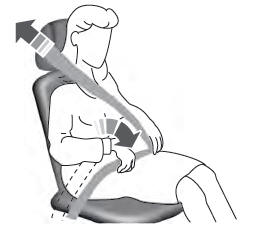
Adjusting the Seatbelts During Pregnancy
WARNING: Always ride and drive with your seatback upright and properly fasten your seatbelt. Fit the lap portion of the seatbelt snugly and low across the hips. Position the shoulder portion of the seatbelt across your chest. Pregnant women must follow this practice. See the following figure.

Copyright © 2026 www.fordescape4.com